


Immigration law governs how individuals enter, live, work, and become citizens of a country. It is a complex and constantly evolving legal field that plays a crucial role in shaping global mobility, economic growth, and cultural diversity. Whether you are planning to study abroad, work in another country, or reunite with family, understanding immigration law is essential to ensure a smooth and lawful process.
What is Immigration Law?
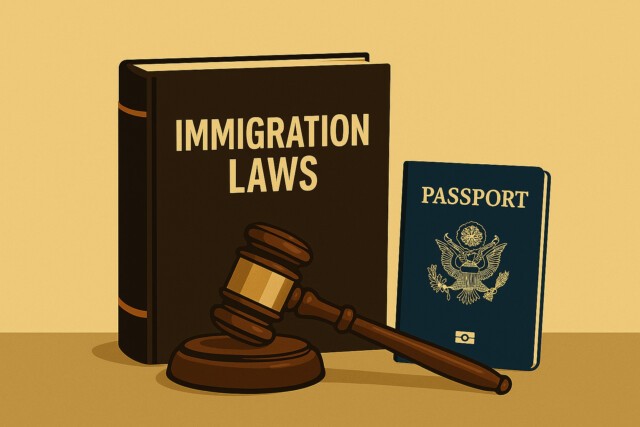
Immigration law refers to the set of rules, regulations, and policies established by a country to control the movement of people across its borders. These laws determine who can enter, how long they can stay, and what rights and responsibilities they have while residing in the country.
Each country has its own immigration policies, which may include visa requirements, residency permits, citizenship procedures, and deportation rules. Governments often update these laws to address economic needs, security concerns, and humanitarian obligations.
Types of Immigration Categories
Immigration law typically covers several categories, each designed to meet different needs:
1. Work-Based Immigration
This category allows individuals to move to another country for employment. It includes skilled workers, professionals, and temporary laborers. Employers often sponsor visas, making compliance with immigration regulations crucial for both parties.
2. Family-Based Immigration
Family reunification is a key aspect of immigration law. Citizens or permanent residents can sponsor their spouses, children, or other eligible relatives to join them in a new country.
3. Student Visas
Many countries offer student visas for international education. Immigration laws regulate admission requirements, duration of stay, and work permissions during studies.
4. Asylum and Refugee Protection
Immigration law also provides protection for individuals fleeing persecution, war, or human rights violations. Asylum seekers must meet specific criteria and undergo legal evaluation.
Importance of Immigration Compliance
Failing to comply with immigration laws can lead to serious consequences, including visa rejection, fines, or deportation. That’s why it is important to follow proper procedures, submit accurate documentation, and stay informed about legal requirements.
Legal compliance also ensures that immigrants can access essential services such as healthcare, education, and employment opportunities without complications.
Role of Immigration Lawyers
Immigration lawyers specialize in helping individuals and businesses navigate complex legal systems. They assist with visa applications, appeals, documentation, and legal representation in immigration cases.
Hiring an experienced immigration lawyer can significantly improve your chances of approval and help avoid costly mistakes. They also stay updated with policy changes, ensuring your application meets current legal standards.
Challenges in Immigration Law
Immigration law is often influenced by political, economic, and social factors. Changes in government policies, visa quotas, and international relations can impact immigration processes. Applicants may face challenges such as long processing times, strict eligibility criteria, and evolving regulations.
Conclusion
Immigration law is a vital framework that regulates global movement and ensures lawful entry into a country. Understanding its principles helps individuals make informed decisions and avoid legal issues. Whether you are seeking better career opportunities, education, or family reunification, staying compliant with immigration laws is the key to achieving your goals successfully.
By staying informed and seeking professional guidance when needed, you can navigate the complexities of immigration law with confidence and clarity.